Blog
Back and forth. Work from home — or return to the office?
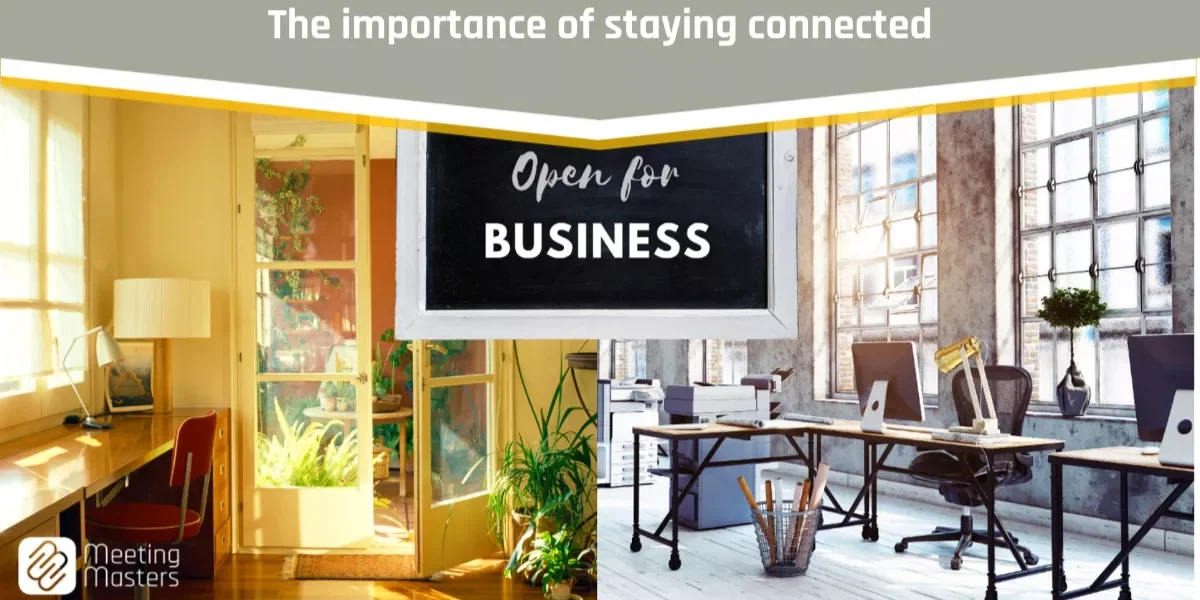
The argument about home versus office moves back and forth like the tide. Time for a third way, where the point isn't location but how much people actually work together.
Centralise. Decentralise. Centralise. Decentralise… It's a reassuring swell that moves through the organisational landscape like the tide. Looking for uniformity, control and economies of scale? Centralise. Turns out you need more autonomy and a faster response? Decentralise. Back and forth. Back and forth.
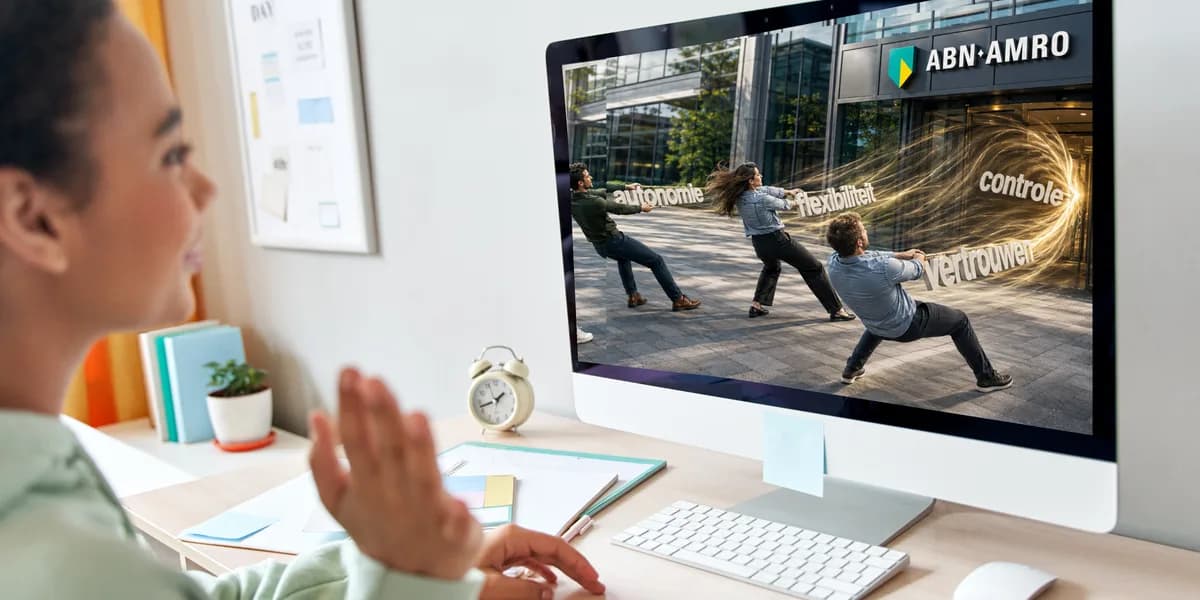
The argument about working from home or at the office follows the same pattern. That swell is driven by control versus autonomy too. But where the debate about central or decentral power produces a fairly stable picture, the swing around working from home keeps speeding up. Before we all lose our heads, let me argue for a third way, an ultimate balance, where the question is no longer where work happens but how much people work together.
The acceleration around working from home is largely driven by technology. IBM was already experimenting with it in the early eighties, as the home computer arrived. Even so, working from home stayed a task-bound exception for a long time, reserved for Big Jobs like drafting the annual business plan. Until the pandemic. In a few weeks an entire world did what it had put off for decades. Everything at home. Everything online. And it worked, with laptops, decent wifi and software built for collaboration.
Since then most people don't want to go back. Organisations move with them. Home-working policies appear, an allowance for setting up a desk at home, even a right to work from home. It saves on office costs, widens the pool in a tight labour market and fits how people want to work. Good reasons. But then: the familiar movement. A need for control. For more central steering. The feeling that the togetherness is slipping away. And so: everyone back to the office. Until the next round. When it turns out people aren't automatically productive in the office either. When the call for flexibility gets loud. When talent tires of the traffic and picks an organisation that works remotely.
Back and forth. Until we realise it isn't home against office at all, and that location is a side issue. It isn't about where somebody is, but whether they're there. Whether they're reachable, whether you can approach them. It's about contact. Seeing the other person. Making room for the chance conversation, even at a distance.
What we need is a shared space where people are present even when there's no meeting. A digital working environment where colleagues run into each other, even when there's no direct reason to. Where you can drop in on a department, or work quietly alongside someone without an agenda getting involved.
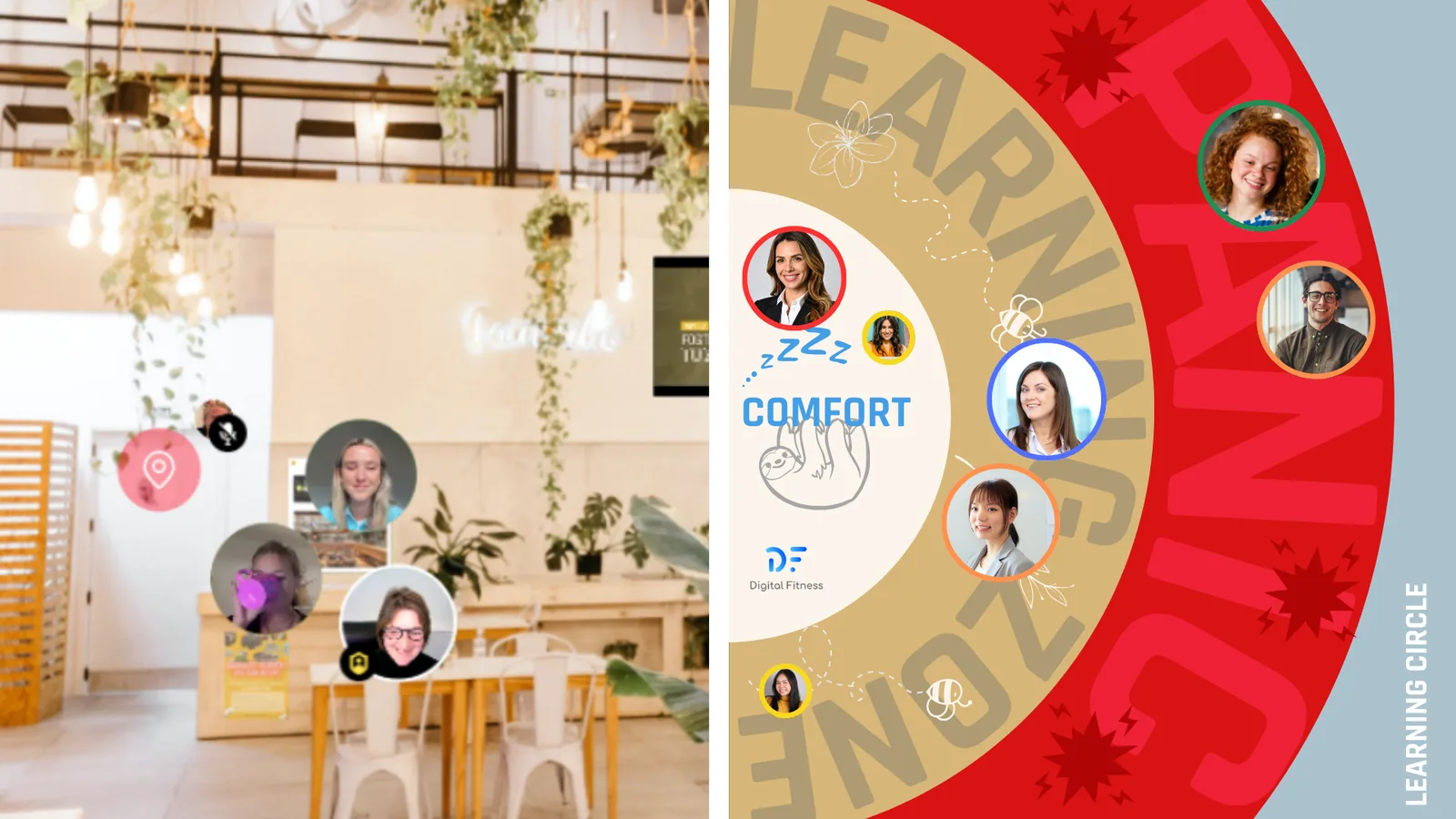
We use SpatialChat as our remote office: a virtual environment where you can work, have a chat or wander over to the virtual coffee corner. Where a conversation starts because you're near someone. Where you can ask a question without it turning into a meeting. Just online. Just working. Just present together.
Once location stops being decisive and being together doesn't, you reach a different level. Then the question is no longer how many days somebody sits in the office. The question is how you build a culture in which people find each other faster. Where staff feel seen, wherever they work. Where your colleagues are the reason you log on in the morning.
Let us talk about that instead.
Emilie van Rappard
Founder of MeetingMasters. Writes about meaningful gatherings at a distance — online events, virtual offices and human connection.