Blog
When quiet gets too quiet
Loneliness. Something that makes you fall silent, and something worth stopping for. Because it affects so many people. And because all of us can do something about it. Online, too.
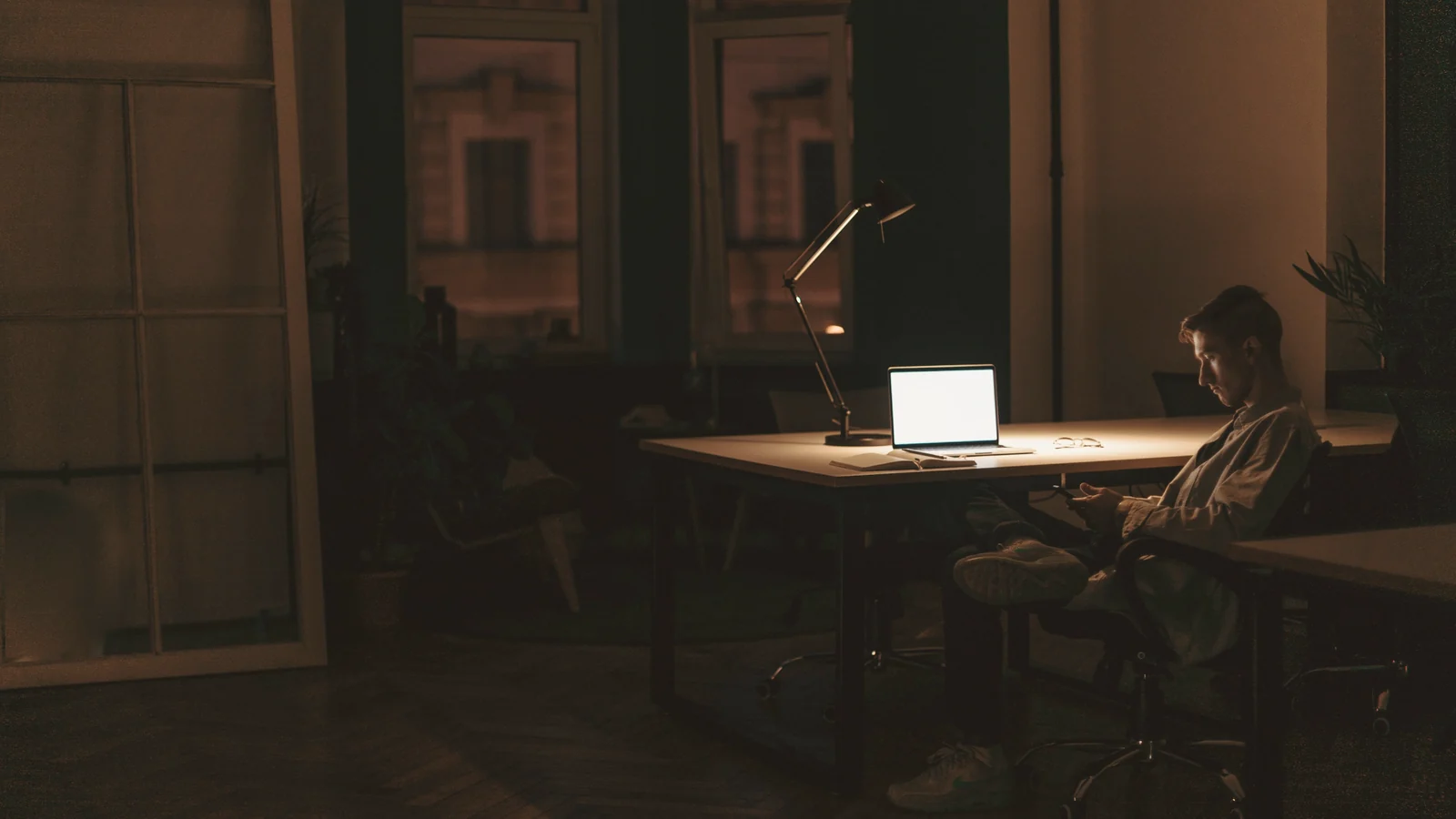
When working from home was a necessity, loneliness suddenly became something we talked about. After covid, the chat without an agenda slowly faded into the background again. And so did the attention for what working from home does to our wellbeing.
Meanwhile, remote work became an established right. A natural part of the job, one that many people don’t want to give up. And rightly so. But it doesn’t work out equally well for everyone. The people who suffer most from having less contact are often the ones you hear least.
Lonely is not the same as alone
Loneliness has increased in the Netherlands over the past ten years. It is often confused with being alone, but that is not the same thing. You can be alone without feeling lonely. And you can feel lonely while surrounded by people all day. Being alone is a situation. Loneliness is a feeling. And a very personal one.
Almost one in seven feels severely lonely
According to the 2024 Health Monitor by the Dutch public health services (GGD), Statistics Netherlands (CBS) and the National Institute for Public Health (RIVM), almost half of Dutch adults sometimes feel lonely. Almost one in seven feels severely lonely. Loneliness is also common among people aged 35 to 55. That seems contradictory. It is exactly the stage of life in which work, family and social contacts tend to be in full swing.
But loneliness is not only about how many people you see. It is also about the quality of that contact, and about what you miss in it. That makes it hard to put into words. And hard for others to see. Still, there are small things we can do to close the distance. At work, too, where many people spend a large part of their week.
What you can do tomorrow
You can’t solve someone else’s loneliness. But you can let them know you see them. You don’t need a programme for that.
Send a message to that colleague you’ve been thinking about for a while, but hardly ever speak to anymore. Call instead of emailing. Ask how they are really doing, and wait for the answer. Listen, without jumping in with advice or wanting to fix things.
Pay extra attention at moments when people may be more vulnerable: a new job, a move, a loss, a birth, the holidays, or precisely a quiet summer period.
And after a meeting, stay on for a chat without a purpose. If you’re in a leadership role, take that informal contact just as seriously as the formal kind. Fifteen minutes without an agenda can be time well spent.
A place to run into each other
At the office, you run into people without planning it. At the coffee machine. In the lift. On your way out. At home, many of those moments disappear. What remains are scheduled meetings, packed calendars and sometimes a check-in that mostly feels like a box to tick.
What online often lacks is chance contact. Dropping by someone’s desk. Joining a conversation. Talking about something that isn’t on any agenda. It is exactly those small moments that matter. They can give you the feeling that you belong. That someone sees you. That there is room for more than just the work that needs to get done.
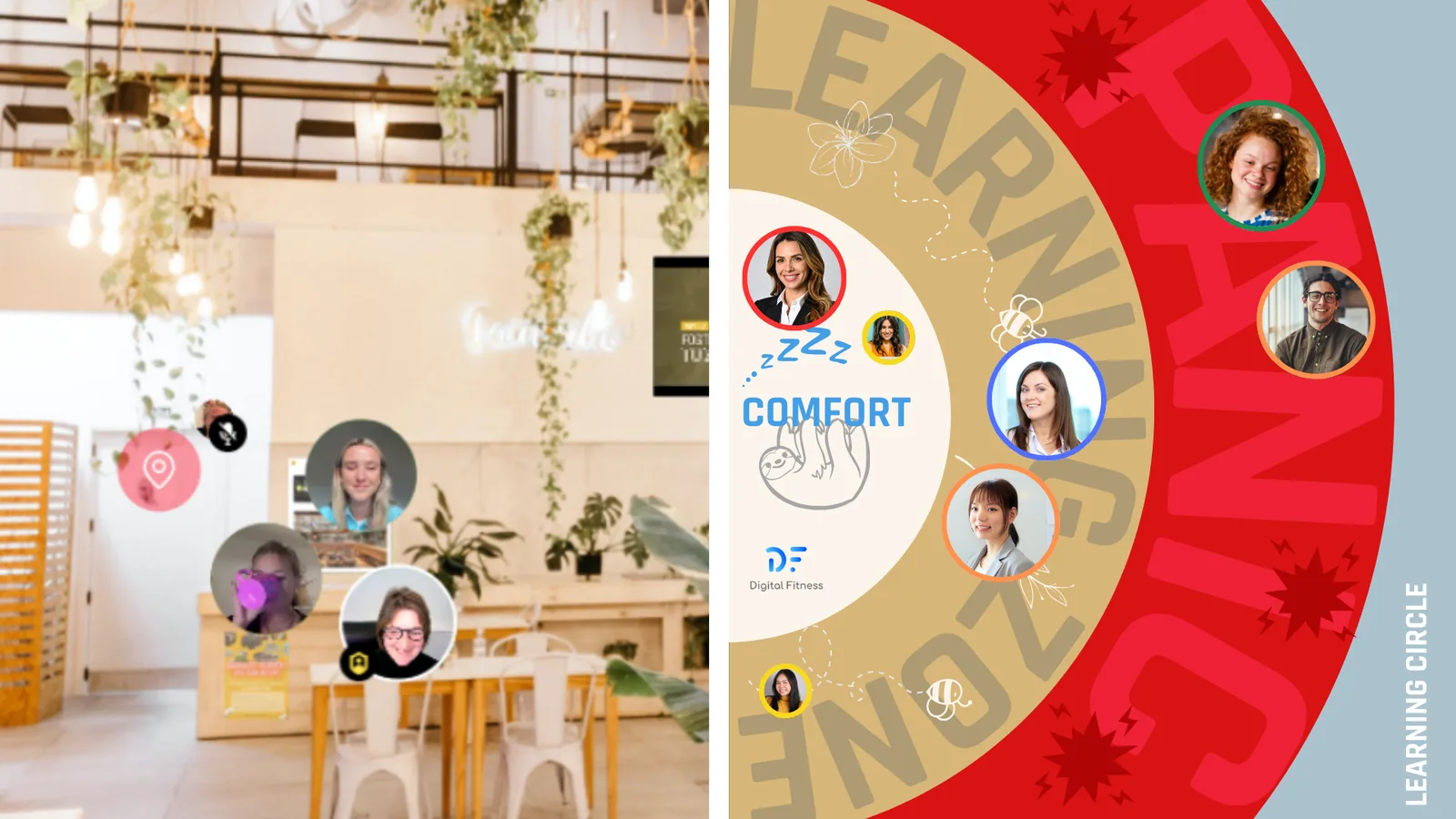
Bricks or digital: a setting doesn’t automatically make someone more or less lonely. People do. But a good setting can make it easier to find each other. A virtual office can bring back part of that space. You see who’s there, walk up to someone and join a conversation. No invitation. No Teams link. No agenda item.
That way, chance gets a little more room online again.
And sometimes that is exactly what’s needed.
Emilie van Rappard
Founder of MeetingMasters. Writes about meaningful gatherings at a distance — online events, virtual offices and human connection.