
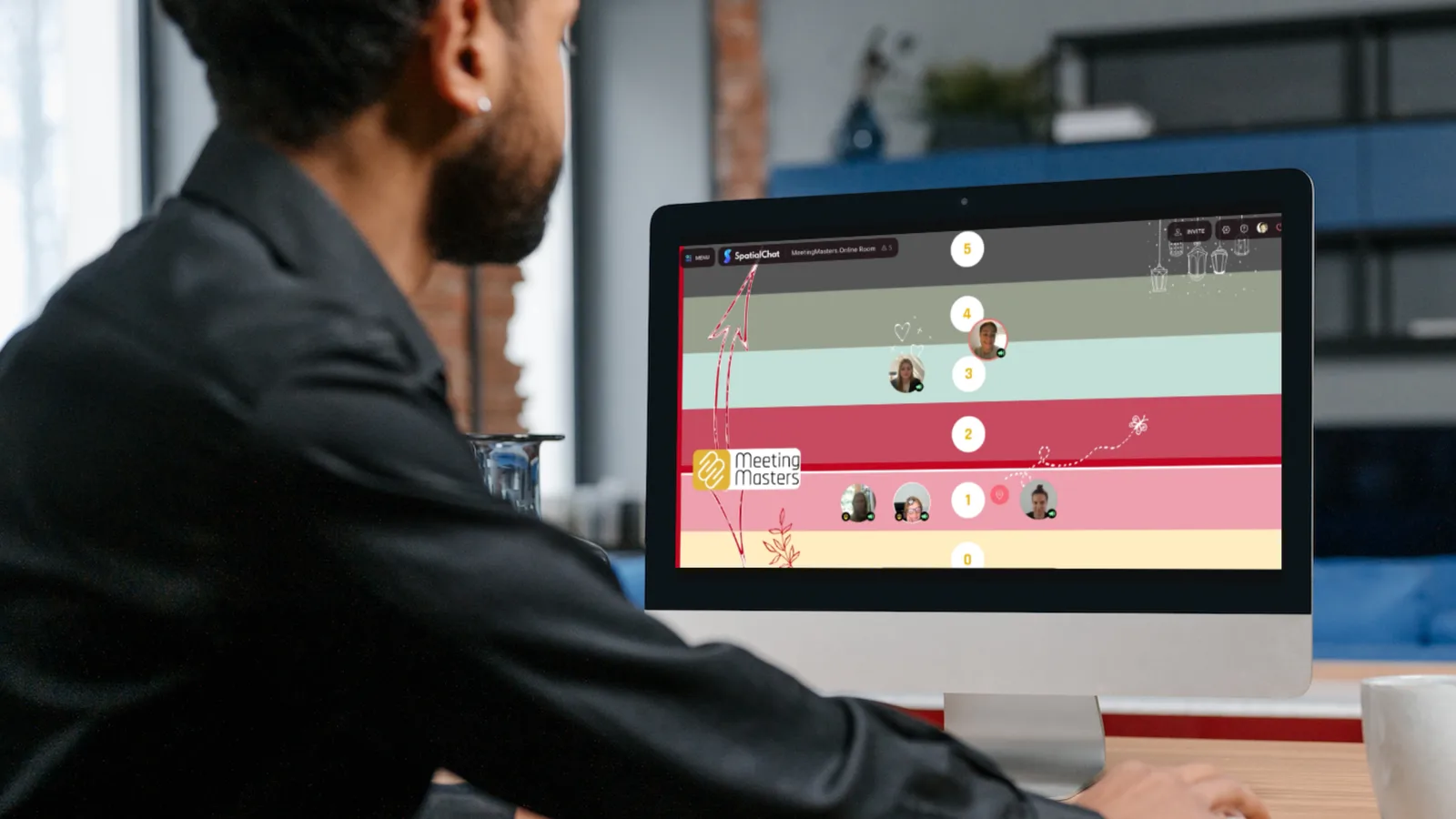
Running online training and workshops
For interactive online training and workshops where people learn, practise and apply.
An active format
Training online asks for a learning experience, not a computer programme or a digital lecture.
An online training or workshop takes more than a webinar. We help trainers, educators and L&D teams run engaging, interactive training online: with practice, reflection, collaboration and technical support that carries the learning experience.
Active learning instead of watching
Participants learn more when they practise themselves, answer questions, share examples and work together. So we design online workshops in short blocks with plenty of interaction.
The same training, a new design
Copying a classroom training into Teams rarely works well. We translate the content into an online learning format that fits the group, the learning goal and the time available.
Calm for trainer and participants alike
We handle the meeting design, the run sheet, the technical hosting and the interaction tools. That makes both trainers and participants better.
In practice
Three examples. Years of experience.
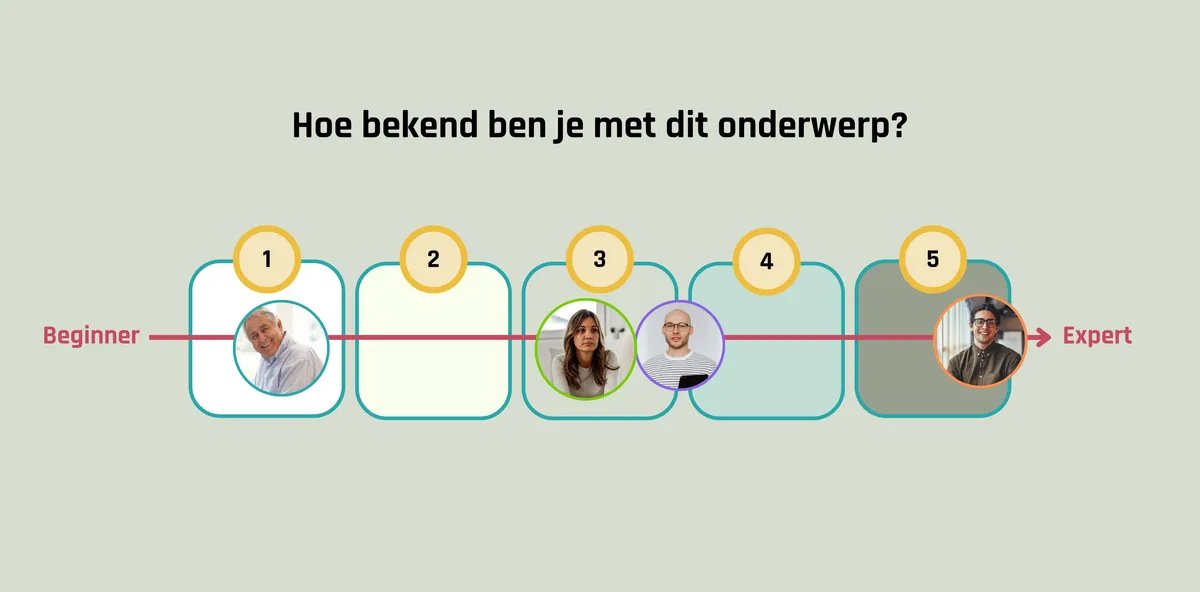 L&D team
Turning classroom training into online training
An organisation wants to offer an existing training online without it becoming a webinar. We redesign the formats, write a technical run sheet and support the first live editions.
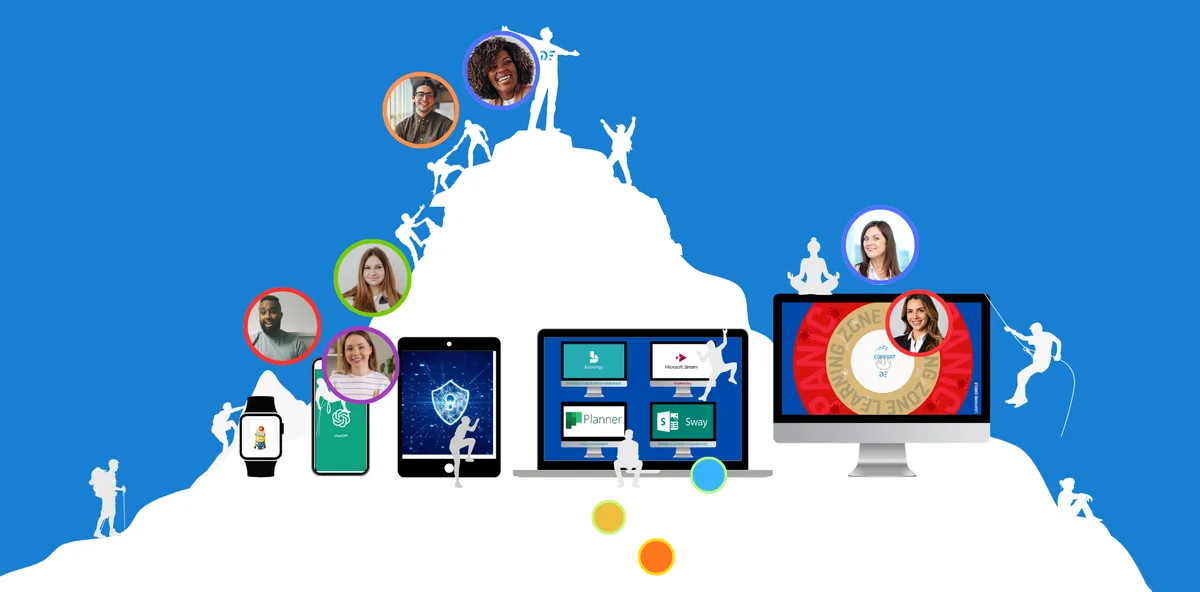 Training institute
Guiding cohorts through an online learning programme
For a learning programme with several groups we design a creative, varied series of interactive lectures, with plenary moments, break-outs, assignments and question hours.
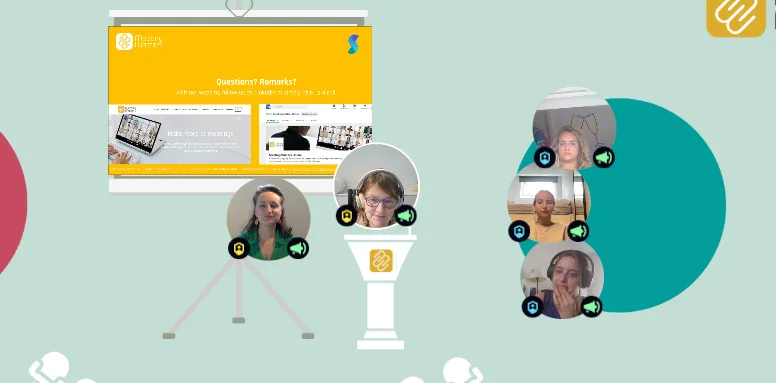 Internal experts
Helping trainers work online with confidence
A team of subject experts wants to run online workshops. We support them with formats, rehearsals and live support inside SpatialChat, so the content lands better.
Preparation is everything
Who it's for
L&D teams, HR departments, training institutes
Group size
6-100 participants per cohort
What successful online training and workshops need.
01
Sharp learning goals
What should participants know, be able to do or dare to do afterwards? A good online learning design starts with specific behaviour, not with slides.
02
A rhythm that works online
Learning online asks for variation: short explanations, practice, sharing, reflection and application. That rhythm prevents fatigue and improves what people take away.
03
Technology that supports the learning
Break-outs, polls, Miro, chat and assignments have to feel logical. We choose a platform and tools that reinforce the learning goal, not whatever happens to be available.
Frequently asked questions
How does online training differ from a webinar?
A webinar is usually about passing on knowledge. An online training asks for active participation. People practise, reflect, work together and apply what they learn straight away. That's exactly why the knowledge sticks better. Anyone who wants to run an interactive online training therefore needs more than a presentation and a camera.
Can any training be given online?
Almost any training can be given online. A digital training does often ask for a different set-up, though. What works in a physical room doesn't automatically work online. So we help trainers and educators translate existing training into an effective online learning experience.
How do you keep participants actively involved?
By not only letting people listen, but above all letting them do. Think of exercises, break-out conversations, interactive assignments, reflective questions and shared formats. People simply learn more from taking part than from observing. That holds for a short online workshop and for an extensive online learning programme alike.
Which software do you use?
We have experience with Zoom, Teams, Zoom Events, SpatialChat, Miro and various learning and interaction tools. Which environment works best depends on the learning goal, the group size and the experience you're after. The technology supports the training, not the other way round.
How many participants suit an online training?
Anything from small groups of six to larger learning programmes with a hundred participants or more. The ideal group size depends on how much interaction and guidance you want.
What does an online training or workshop cost?
That depends on group size, the length of the programme, the preparation and the support you want. So we tailor the proposal to your learning goal.
More answers?Fewer answers
Can you convert an existing training to online?
Yes. It's one of the questions we get most often. We usually keep the content but redesign the formats so that they suit online learning better. The result isn't an online version of a classroom training, but a training that makes the most of what digital learning can do.
How do you avoid Zoom fatigue during a training?
By building in variation. Short blocks, active formats, movement, reflection and collaboration keep participants involved and keep their energy up.
Does learning online work as well as learning in a classroom?
That depends on the learning goal. For many forms of knowledge sharing, collaboration and skills training, online learning works surprisingly well. Sometimes better, because participants practise straight away in their own working environment and apply what they learn faster.
Can participants do assignments between sessions?
Yes. More than that: many successful learning programmes combine live sessions with assignments in between. That makes learning part of the daily work.
Can you support the trainers?
Yes. Some clients provide the content themselves and bring us in for the design, the interaction and the technical support. That lets trainers focus entirely on their expertise.
What makes an online training successful?
A successful online training starts not with the technology but with the learning goal. The best ones combine clear goals, active formats, interaction and enough room to apply what has been learned.
Can you support longer learning programmes?
Yes. We regularly support online learning programmes made up of several training days, workshops, peer sessions or learning communities. There we help not only with the technology but with the design of the learning experience.
What is the difference between an online workshop and an online training?
A workshop is usually shorter and more about exploring, creating or practising together. A training more often has a clear learning goal and a more structured build. In practice the two regularly run into each other.
Why do trainers choose MeetingMasters?
Because we understand that training online asks for something other than copying a classroom training into Zoom. We help trainers, educators and L&D teams translate their expertise into interactive online training and workshops where participants stay genuinely involved and actually learn.
Related event formats
This might fit too — or even better.
Teams that work together better — even when they work far apart.
Running online team building
A flying start for new staff, even when they log in from anywhere.
Running online onboarding
Creative sessions that genuinely produce ideas, even with everyone at a distance.
Running an online brainstorm session
Webinars that hold people. Not just broadcasting, but genuinely connecting.
Running a webinar
Next step
Online, but not as you know it.
Orientation
See what we do
From strategy day to online team building — see which event formats fit what you're after.
View all events →Interested
Feel the difference
Half an hour to see how a platform like SpatialChat does something Zoom and Teams don't.
Book a tour →Ready to go
Book a conversation — we'll think it through with you
No obligation. We look straight away at your situation, your group and what it needs.
Book a conversation →